VWVWVWVW
Was the VW Beetle the most ubiquitous World Car? This brief selection appears to support the idea. Have Bloggers any un-represented counties they could add?
It would be quite something to display one from each jurisdiction on the planet………………….
The shots below are from Victor Brumby’s archive, except where noted.
Nov 25 2013 – By request, some clues have now been added, to aid identification – without making it too easy, we hope!
10 Dec 2013 – A few new pics have been sent in and added, and the donors acknowledged.
Dec. 29 2013 – 9 new additions, not yet annotated, so send in your identifications via ‘COMMENTS’ below! From Terry Gray’s archive.
26 March 2014 – Stephan Feuk adds his Beetle collection……

SH 565 .. The amazingly rare 1925-75 Spanish Sahara. (possibly taken when BL was plotting the route for the first Paris-Dakar rally??) (Bernt Larsen archive)
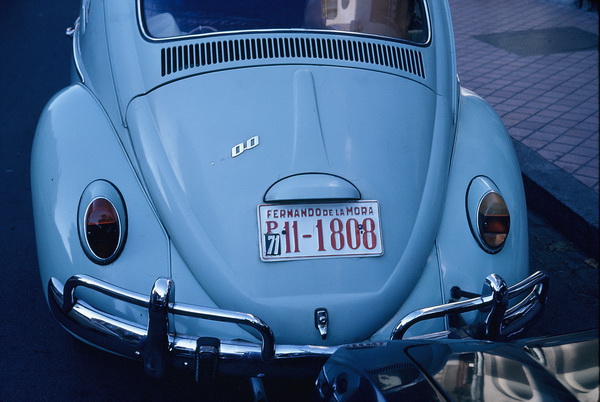
P11-1808 .. These Paraguayan plates seen in 1971 London, are still believed to exist with a collector somewhere – where? Fernando de la Mora is a small city within metropolitan Asuncion, the capital. (Brumby archive)

ELEUTHERA CRISES / 3936 / EI-TELoneio PEIREIUS = (FREE USE/(tax-free use?) /3936/ CUSTOMS. PIRAEUS). The date of issue is usually shown on these Greek customs-issued temporary plates, but not in this case. The small one-piece rear window was fitted to VW Beetles produced between March 1953 and August 1957, so this was already an old Beetle by the time early Europlate member Stephan Feuk photographed 3936 at the Monte Antenne campsite in Rome in 1971 or 1972.

Pieter Lommerse gives us this Roy Carson shot of yet another variant of the old Greek customs-issue temporary plates, with 36 from 1964, reading ‘E.X.Thessaloniki’ Possibly issued to a U.S. Serviceman’s car after transfer from the US Zone of Germany (identified by the unique U.S. Forces in Germany oval) and now posted to the U.S. Forces base in Greece, where it would later be issued the dedicated USfGR special plates (illustrated elsewhere).
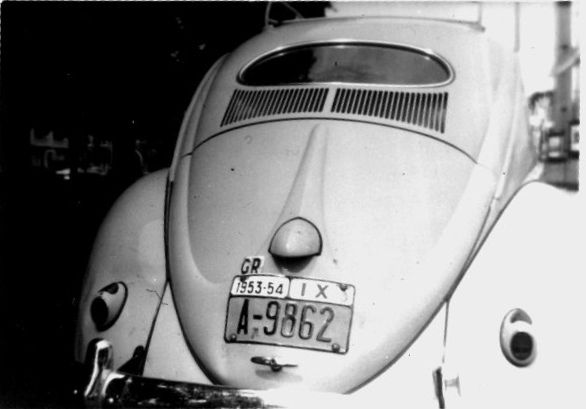
A-9862 .. Another mighty rare on-car picture of the 1954-56 Greek plates, this one from Athens (A), from Pieter Lommerse. These had black on white and yellow plates, akin to the American style/size. (Although they read 1953-54, they covered the years 1954 to 1956 – WHY, anyone?)
Comments from ‘BillyEurope’ on 15/6/2014 (below) add this important info:
Yellow plates with 53-54 mark, were used from early 1954 to 1956 and not from 1952. Yellow plate “Π-250″ (below) stands for the city of Patras and not Piraeus.

P-250 — For more detail of the Greek 1952-55 series shown above, we see Jim Fox’ s actual PATRAS (not Piraeus!) 250 plate of the short-lived normal series.

XA / 5158 — Greece, in common with a few other countries, marked the cars which belonged to foreigners coming to live in Greece for more than just a short holiday. The Greek letter ‘X‘ abbreviated ‘Xenos’ (alien/ foreigner/outsider/qafir) and the XA series was used by personnel of Foreign Missions. This black-on-white series was issued between 1963 and ’69. , (no dating shown on this series) Lommerse archive
As for the “ΞΑ” (XA) plates, this stands for Foreign Mission (Ξένη Αποστολή)(Xenos ???) so the A letter is not about Athens, after all.
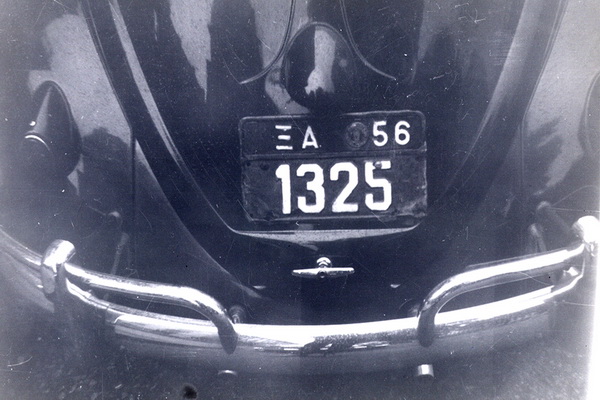
XA 1325 — Greece Foreign Missions (Ξένη Αποστολή) 1956>. Brumby archive
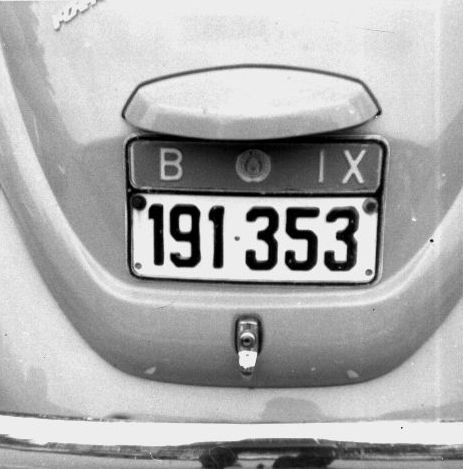
1963-72 Greece normal. B=Volos. I X=IDIOTIKES ChRESIS=Private Use. Pieter Lommerse archive

Th 56 IC / 156-709 — A 1956-59 Greek series for Private Use, reading Thessaloniki (19)56 IDIOTIKES ChRISES. Lommerse archive

2438 KH, seen in Khartoum during the 1970s. Brumby archive
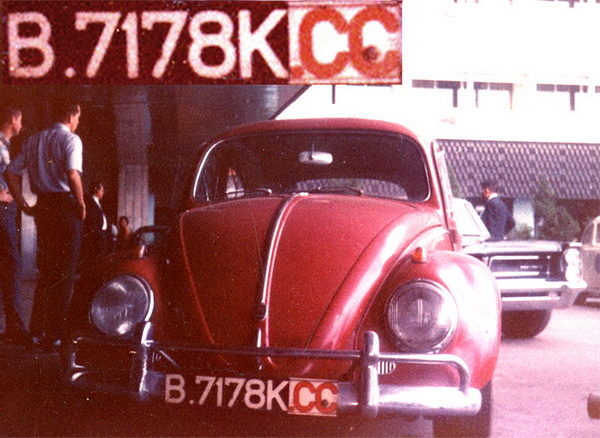
B.7178K — B=Batavia, seen in Jakarta during the 1980s. A Normal registration with consular supplementary tag in red on white. Brumby archive
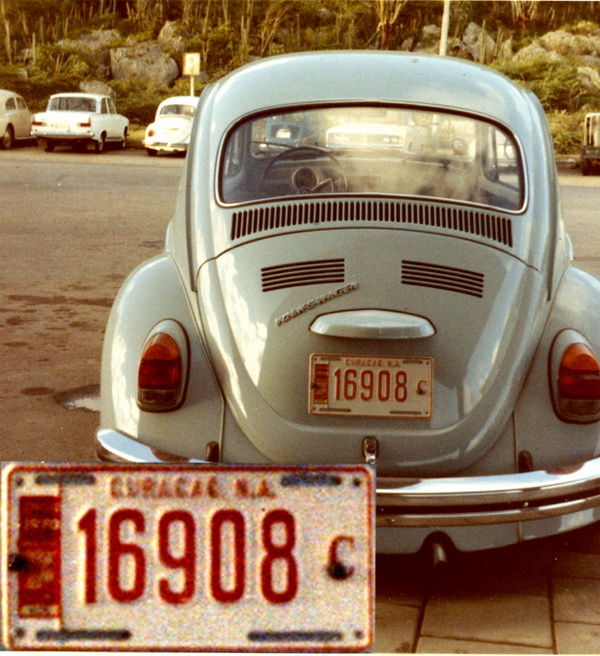
Netherlands Antilles C 16908 — Red on white = 1969-71. Brumby archive

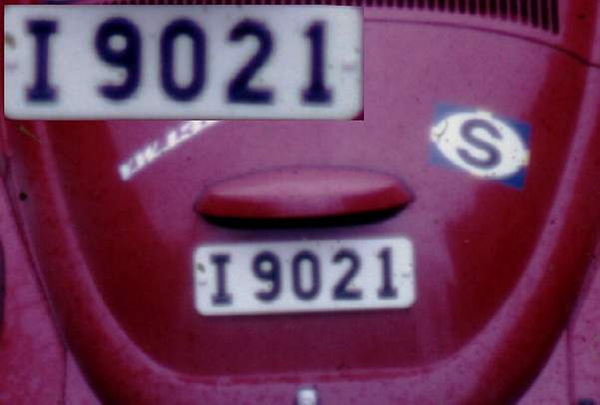
JO = American civilian staff of N.A.T.O. forces established at Keflavík air base between 1951-88. The J and O are mis-spaced. JO 215 Brumby archive

11000 — IRAN OOS – Out-Of-State. A Foreign Travel plate mounted over an original, domestic plate, (which was in the Farsi form of arabic script – thus not legal for international circulation). All the various Iranian export/out-of-state travel issues have been in dark green on white since at least the 1940s. Beetle in 1960s London. Brumby archive

C=Civilian attached to US Forces in Italy 1956-68. Brumby archive
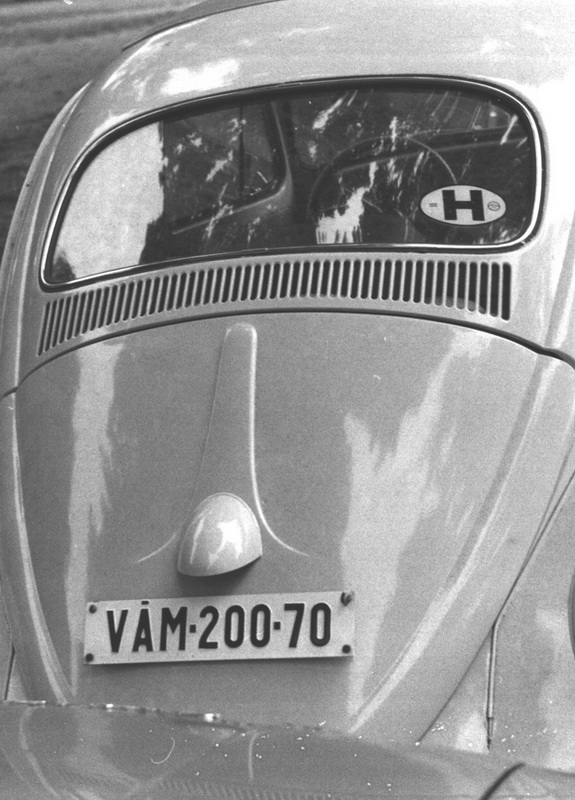
First thought to be a Hungarian temporary importation issue for 1970 (70). VAM in red. Taken in Hungary on 1970. (What does VAM abbreviate?) Feb 2014: Dietrich replies: VAM is the name of the Hungarian Customs agency. So – IS it a duty-free import? A Customs-owned vehicle? A cross-border plate? Brumby archive

GOBERNADOR PROVINCIA of Macao, seen there in 1977. Brumby archive

3804 TT 0W — Border Zone Franche between France and Switzerland. Zero W is for Gex, one of two registration district of the ‘Zones Franche’. (Where franche (like France) means free). Brumby archive

Thierry de Francoplaque recognises London-photographed 72 4901 as a French forces in Germany plate, though in a non-standard font and background colour (it should be blue). The second numeral (2) registers this VW in Freiburg up to 1999. Brumby archive, 1971

1-M-0081 — From July 1963, a new Spanish duty-free series commenced and this seems to be Madrid’s 81st. issue, set to expire in month IV (April) 1964.

KFN 146 — KFA-KFZ hailed from Nairobi from 1950 to the mid-70s, when regional identification second-letters (as ‘F’ here) were dropped. This Dung-Beetle is pictured in London about 1959, shot by Vic Brumby

From 1952-99, F was the code for Kampala. The small rear window dates this early insect to 1953-57. UFJ 760 was noted by member John Pemberton on 30th. July 1965 and photographed separately by Vic Brumby in London in September that year, 52 years before the two members first met.

Two Americans in Paris when it was safe to show their country of origin. The red on white USfD 1962-1966 series, in which T 4001-5900 was for Banberg and D 2801-7300 was allocated to Hanau. Brumby archive

818 Z-9349 – New cars bought in Europe for export often displayed the international oval of the country to which they were eventually bound. Hamburg-Ericus issued German Customs codes 418, 518, 818 and 918 from 1951 until 1967. This unusual oval plate series continued until 1988. Brumby archive

1949-51 saw the third format of plates for the British zone of Germany, nnnn BZ. Unusually, this example 9132 BZ has GB-manufactured plates rather than the characteristic German fonts of the British, Dutch and Belgian Zones (and other military entities) for the ensuing many years. Brumby archive
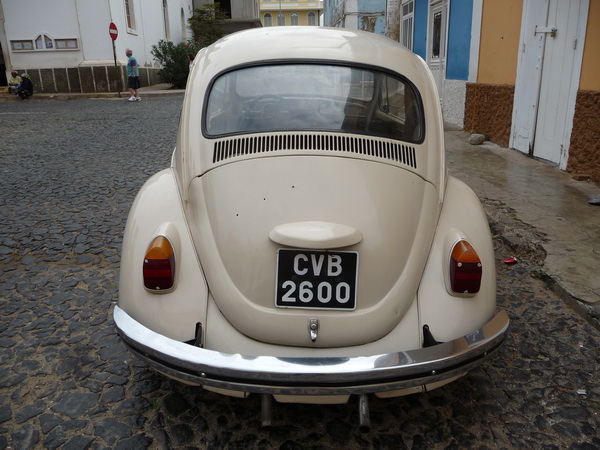
CVB 2600 — B = Ilhas Barlavento (Windward Islands) of Cape Verde. This series is now obsolete, but was still in use in Mindelo on Sao Vicente in 2011.

2 1176 — The SRI symbol was added to plates in Sri Lanka in December 1956. It comes from the Sanskrit for ‘holy/resplendent/prosperous/jolly good’. Which Ceylon probably was, in 1956. (Lanka is a transliteration of the Sanskrit for Island.) Code 2 was issued for cars and m/cs in 1958 as an early example of the new series which ran from 1956-99. (Brumby archive 2008)
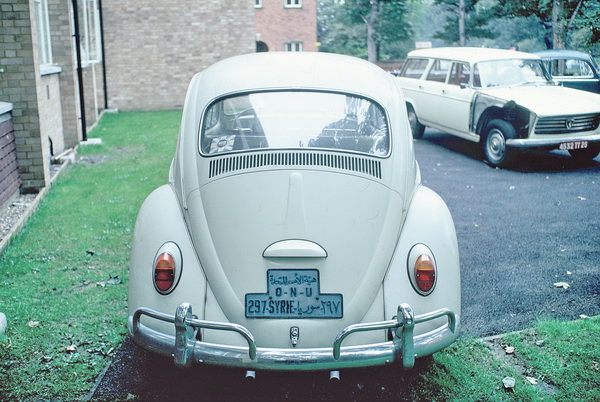
In the 1960s, the U.N. went to various places round the world, to bring light where there was darkness. Where would we be today, if they had not brought civilisation to such places? Note the Visitor To Britain window-sticker, then very common on visiting vehicles, perhaps in the futile hope of keeping the newly-introduced parking wardens etc. away from our visitors. O.N.U.297 — The whole plate is written/abbreviated in French, although issued by the UN. Wonderful, T-shaped plates…. We don’t know the duration of this series. 
CD-22-30 — Although this Beetle’s oval claims German provenance, its plates are seen in 1966 outside the newly-built Pan-Am office in Islamabad (Peacetown). (Who said they don’t have a sense of humour?) 22 IS indeed for the German legation. The Pan-Am shop is now a kebab stall with a plan to rebuild the roof when the Taliban allow. Brumby archive

This owner has fought to overcome his identity crisis with a few clues …
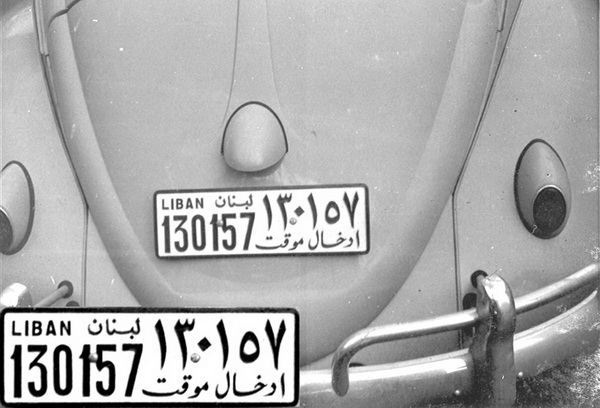
130157 — An export/temporary import series issued for a spell in the 1960s, then dropped. They all began with 130. London 1966, V Brumby
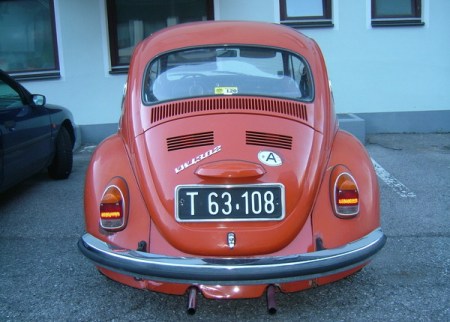
T 63.108 — An Austrian 1947-90 series plate on a Tirol Beetle, seen there in recent years. Area code 63 is not given in the Tirol list – so where is this VW from?? Brumby archive. Apr.2014 – Platepeter writes; Numbers T 63.000 – 63.999 were formerly for the district of Imst in Tirol. From 1990 the new code is ´IM´. Thank you Plate Peter.

MJH 880 GP — Gauteng Province (formerly Transvaal) seen in Johannesburg.

BGJ 228 N — South Africa’s new Northern Province used these interim yellow plates from 1995-97, then white to 2003, while awaiting the colourful new background series now in use. During this time, the province re-named itself Limpopo and the suffix letter ‘N’ on the plates changed to ‘L’. Brumby Cape Town 1997
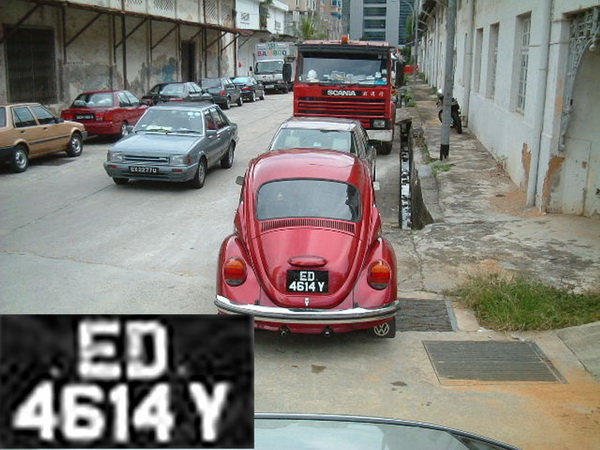
Singapore replaced its long-standing S* 1234 plates with this format in 1972. (It started with EA – why not AA??) ED was reached by March 1974; this VW was seen in SGP during 2001. Brumby archive
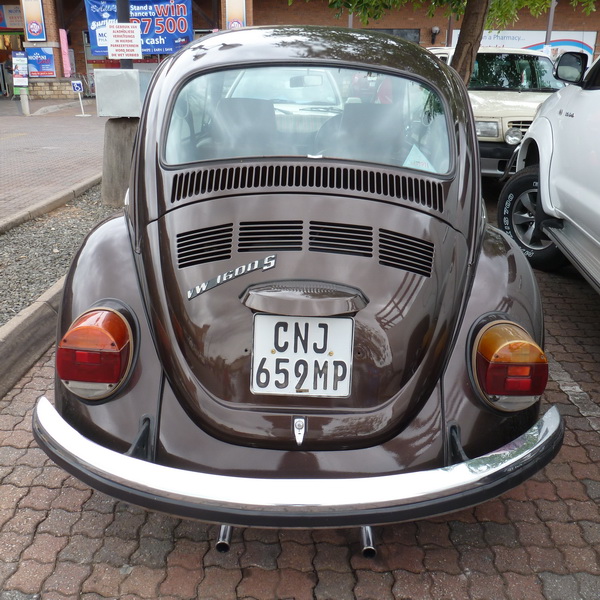
If you can pronounce Mpumalanga, you can pass as a real African in theatrical auditions. ZA 2013.


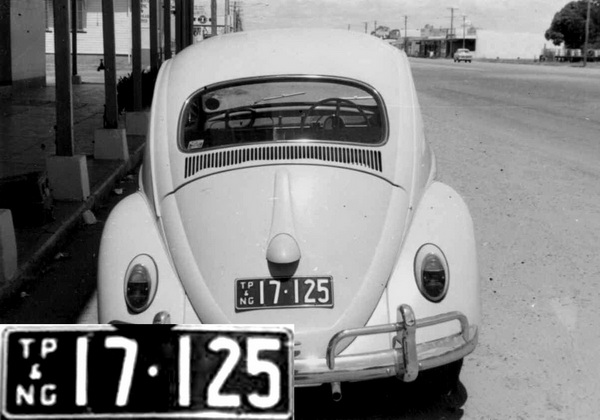
The Dream Hitch-hike. On a remote track in 1966 Queensland, the only vehicle to come by in 2 hours, was this Beetle, on which I made my country-catch of Papua-New Guinea! The sea-captain driver took me a long way south, regaling me with tales of his Papuan houseboy, who kept chickens in the ice-box. TP & NG 17-125 from the 1951-73 series.

E indicates Exempt from Philippine Tax/Import Duty, for an Italian diplomat in 1977 Manila. 8G 479 — Green on white.

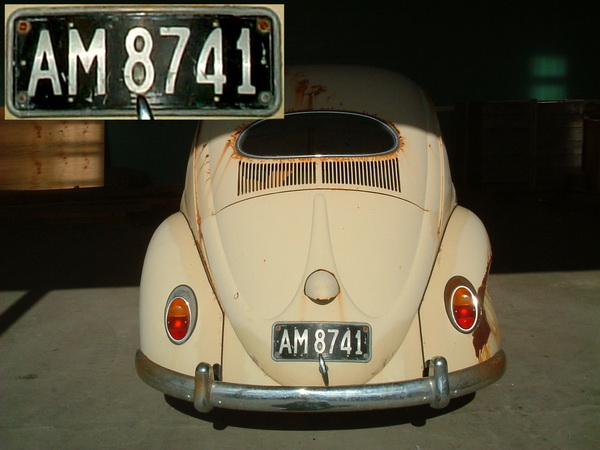
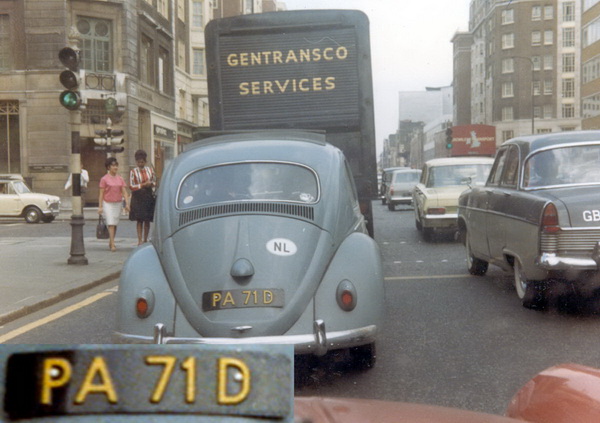
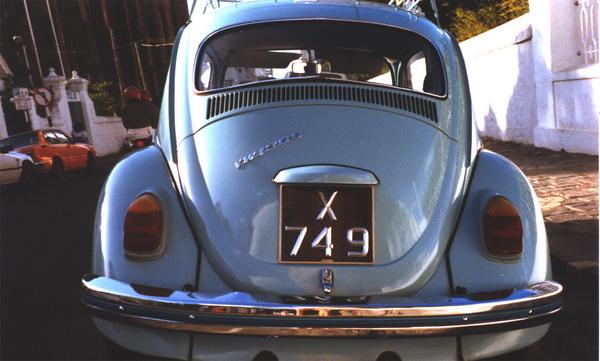
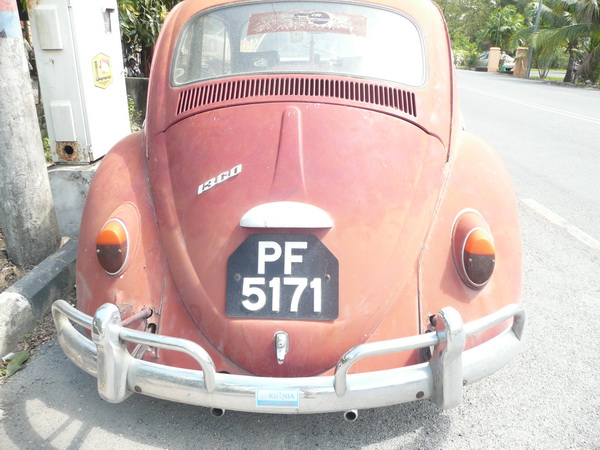


1916-79 could be one of the world’s longest-running plate series for private vehicles. Malta used this simple format throughout, including 15 years after 1964 independence fro GB. From 1924-66 Malta used GBY as the international oval, and in 1967 changed to ‘M‘. This London shot of 26932 is from 1960.


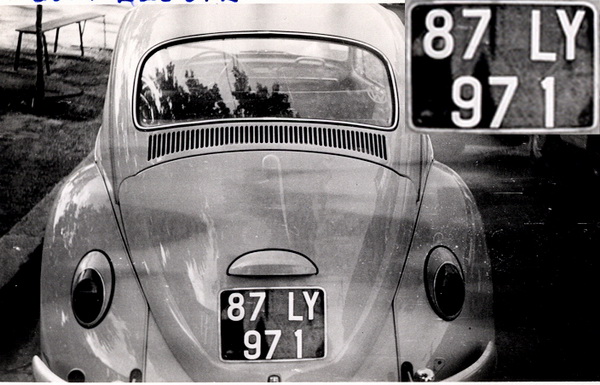
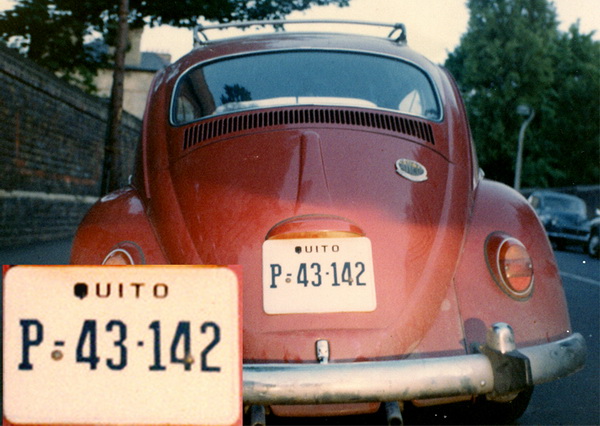
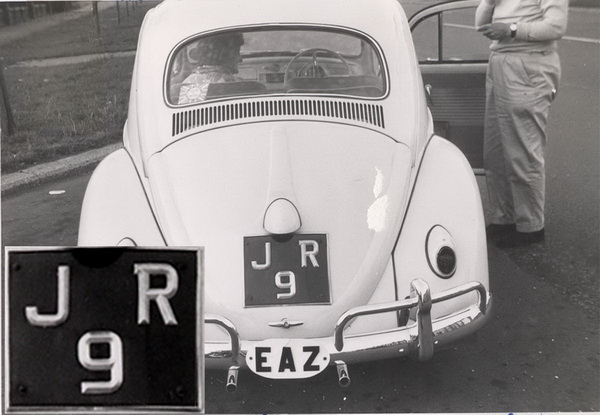
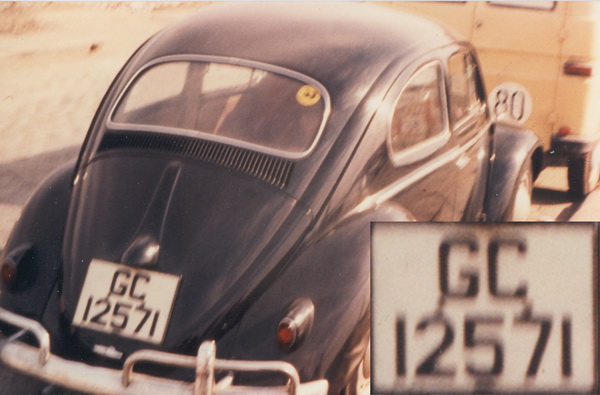

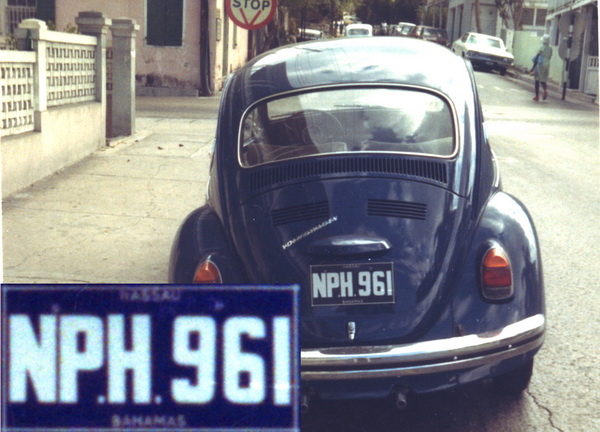


MT-892 — Temporary Matriculation (one-year-valid, duty-free-use plate, for a foreigner in Andorra), from the 1958-63 export series. London 1964. The 64 gives the date of expiry, so the plate would have been issued in 1963, and be among the last of this type.
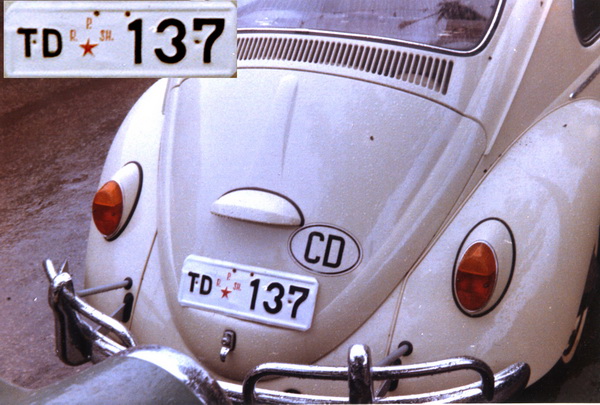
TD R.P.SH. 137 — TD=Tirana Diplomat , Popular Republic of SHQIPËRIA – in London,1965. (What a diplomatic posting!!)
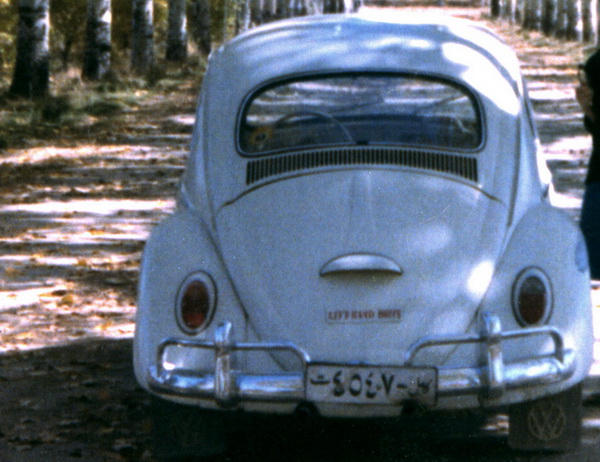
T 4047 – KBL taxi-hire in Afghanistan 1965.
An RSM new entrant kindly sent in by AISTA member MT

RSM 4350 — 1963-76 San Marino series from…… Marcello Taverna archive
Below: Here are a few more culled from the Terry Gray collection. Can you identify them all?


Here is one of the rarest-ever plates – on a Beetle from Portuguese Timor. Captured in Portugal by Terry Gray at night during the 1960s.

Poland issued a ‘Z’ for many years, to show that the vehicles belonged to a foreigner in Poland. Foreign diplomats were included in the code, but their registration was painted in lemon yellow, rather than the normal white (on black). Here is WZ-17-31 shot by Terry Gray in the 1970s, place unknown. 17 was for the Afghan embassy in Warsaw. Thought to be from the 1964-76 series

Now – send YOUR Beetle photos in to this growing collection – we want a Beetle picture from every country!
March 2014 – Stephan Feuk contributes a new selection below;


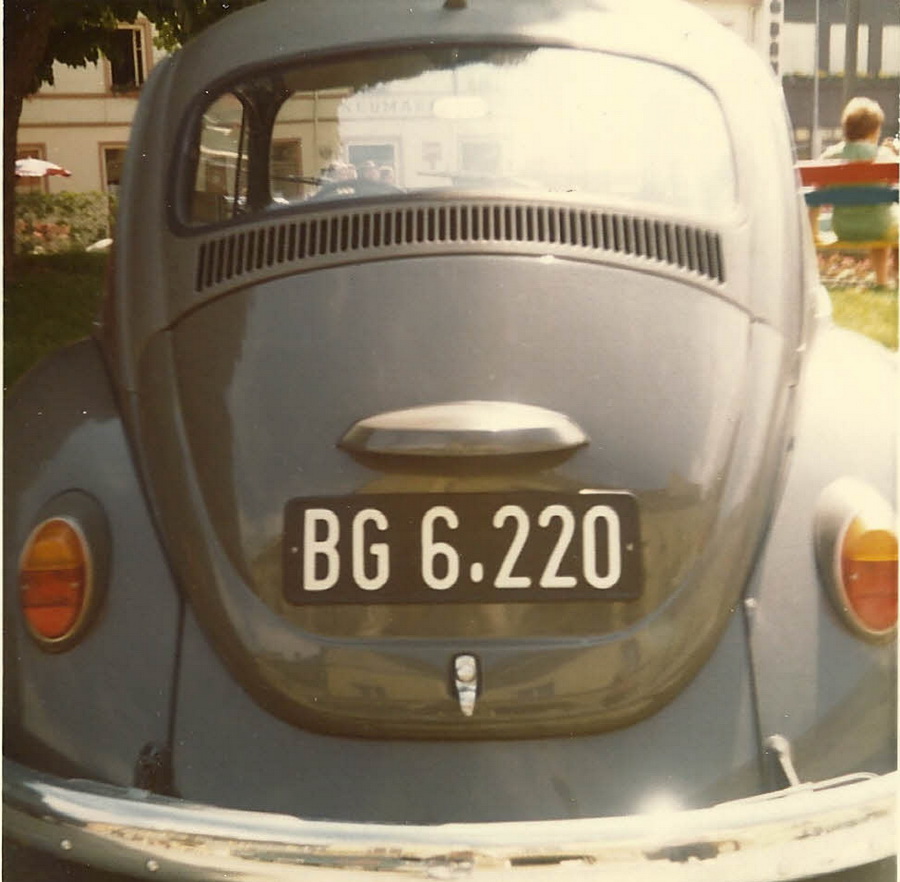

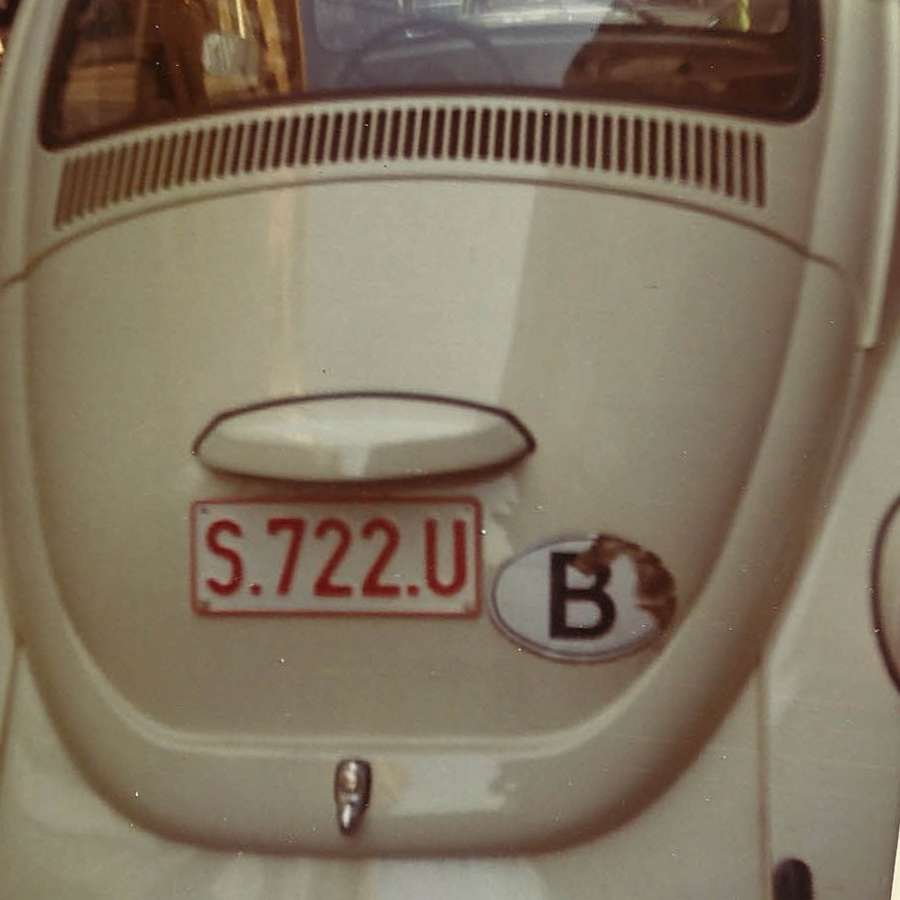
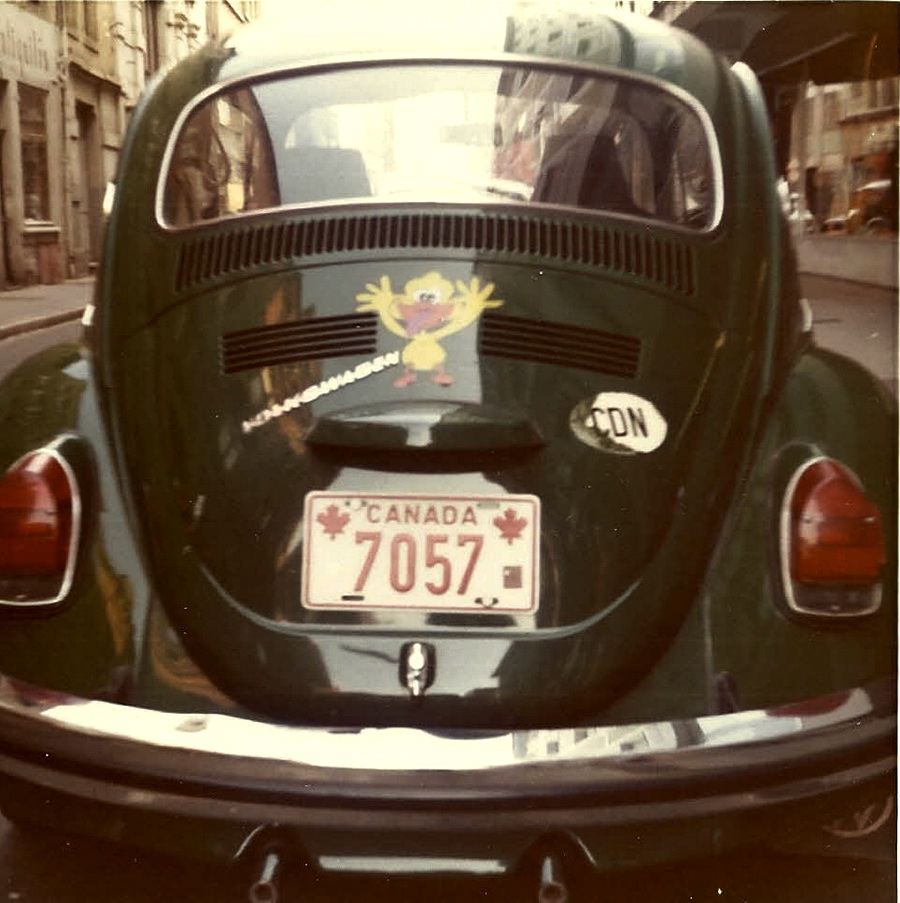
? Can you identify the series dates etc. of this CDN forces in Europe plate?? (Having no letters) Apr.14 – Mike Montgomery fills us in: 5245 is the first of the 1970 series, which initially has all-numeric serials. Subsequently issues had a single letter followed by numbers. The general design is still in used today; the maple leaves have been dropped, and there is an expiration sticker in the middle of the serial, which consists of two letters and two numbers. This plate is still in use today in Ramstein Airbase and Geilenkirchen Airbase, both in Germany. It was also in use in Heidelberg (Joint Command Center – NATO HQ, Campbell Barracks) until last summer, when the NATO HQ deactivated


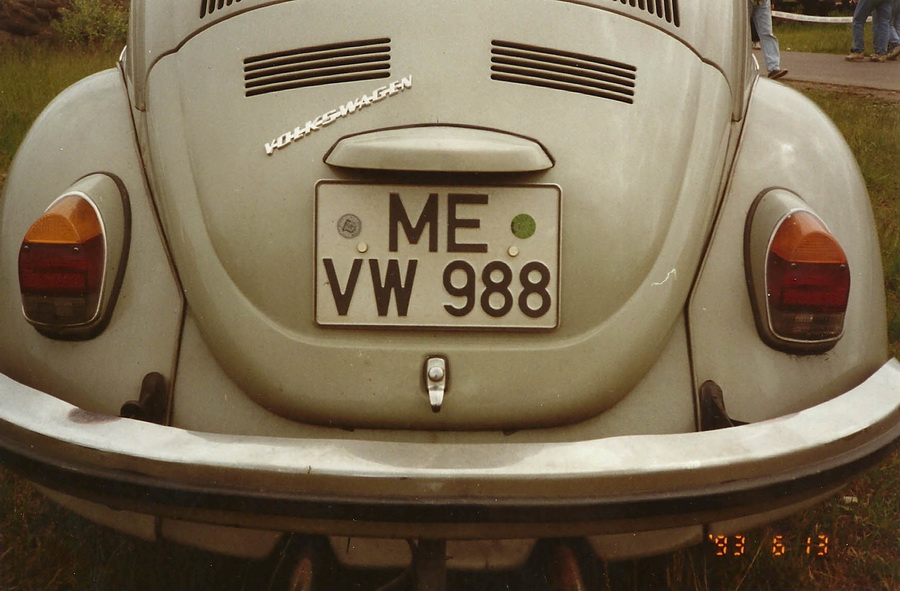
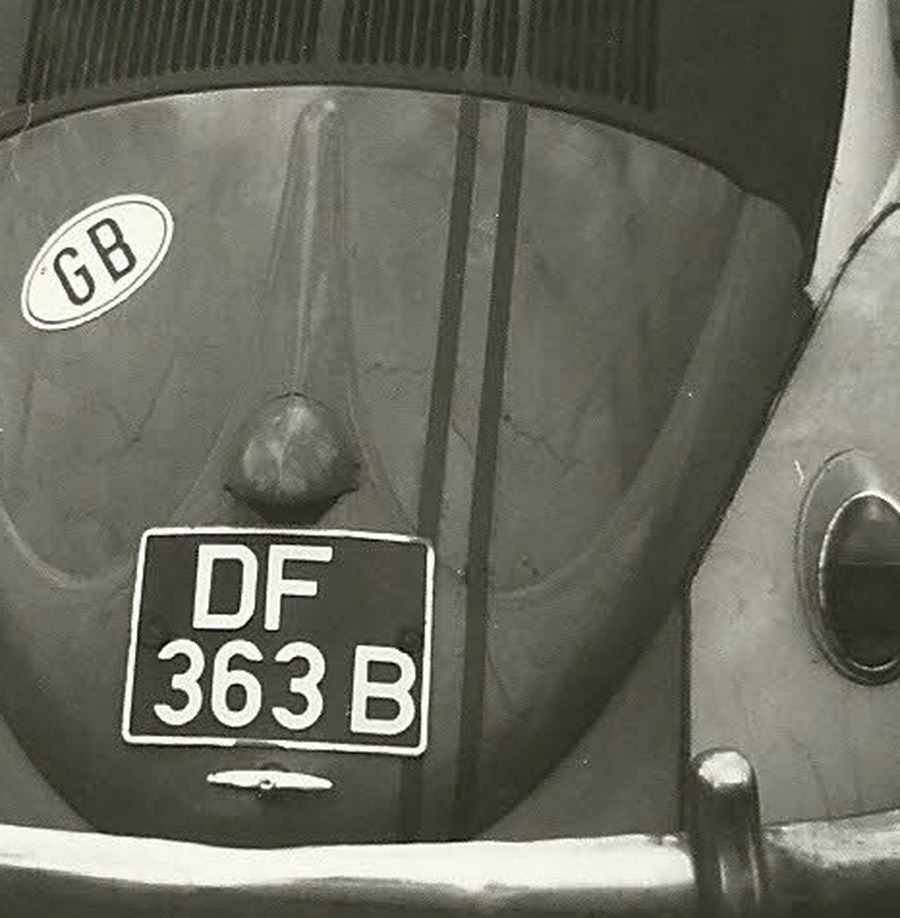


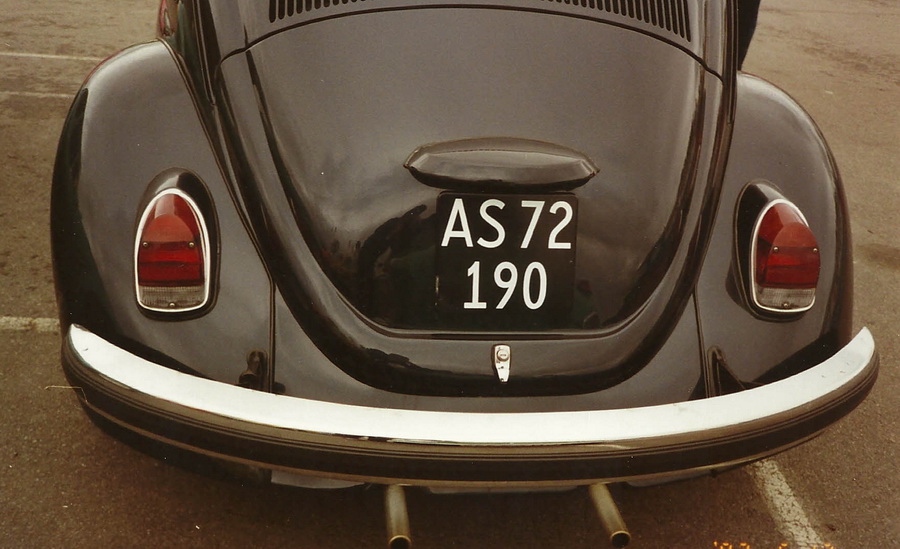


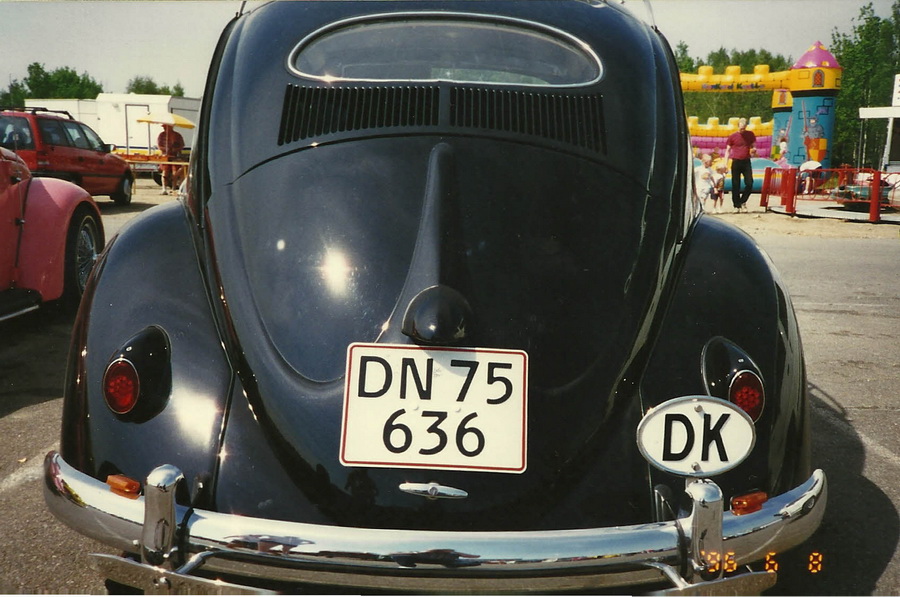


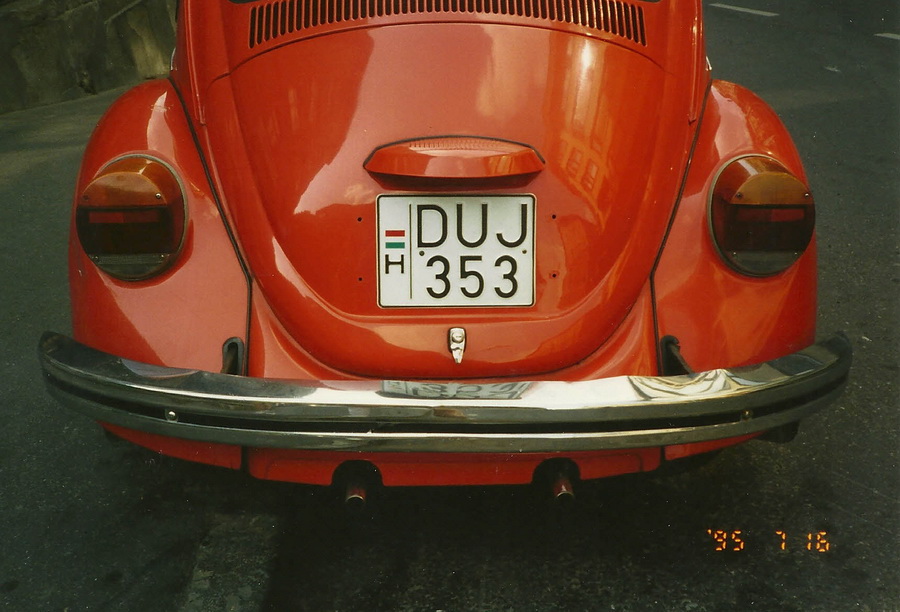
There are some more to come from Stephan, when time allows……
Come on, photographers – DO send in your Beetle pictures, for all to enjoy!!


 Posted by Victor Brumby
 Europlate blog